Harris Teeter Ad Preview
Harris Teeter Ad Preview: Upcoming Weekly Deals and Planning Guide
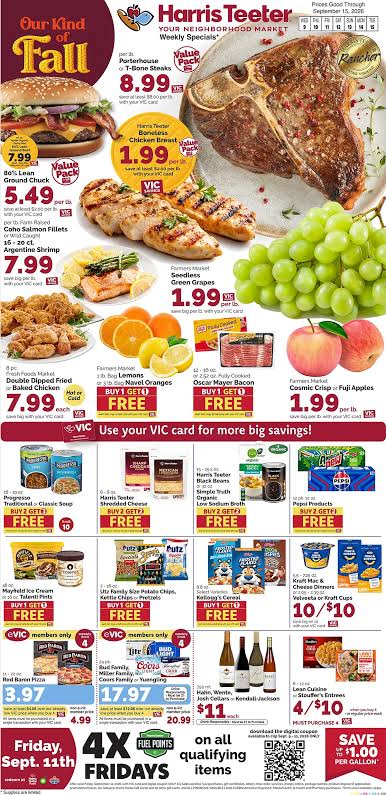
A Harris Teeter ad preview is most valuable when it helps a shopper prepare, not when it simply repeats an image before the official sales period begins. An effective preview page should show the expected date range, separate confirmed offers from early information, highlight deal categories, and explain how to verify local pricing once the new weekly ad becomes active.
Harris Teeter’s official help center states that the new weekly ad is normally available at midnight Eastern Time on Wednesday. Stores in Indiana, except Southeast Indiana and Evansville, Illinois, and Eastern Missouri follow a Thursday update schedule. The official site also ties the weekly ad to a preferred store, so an independent guide should never imply that one price list is universal.
Because preview content can circulate before every detail is final, this page should use especially careful language. A screenshot with no date, store or source is not enough to support an exact promotion claim. Treat the preview as a planning tool, then confirm live conditions in the official ad before checkout.
What an Ad Preview Should Include
For an independent Harris Teeter ad preview resource, what an ad preview should include is an opportunity to add interpretation that the flyer itself may not provide. The purpose is to summarize useful information while preserving context. Readers benefit from knowing that show the expected ad period. The page should make clear that identify which deals are confirmed and which are early preview items. Another useful detail is that group products into categories rather than forcing readers through every page. For a real shopping trip, remember that link to the official ad when the sales period begins. When the page is refreshed for a new sales cycle, the page should point readers back to the active store-specific offer whenever availability or price is time-sensitive. Keeping those details visible reduces the chance that a reader mistakes a regional or expired offer for a universal price.
How to Verify Preview Information
For shoppers researching Harris Teeter ad preview, the section on how to verify preview information should answer a concrete planning question rather than repeat a sales headline. Verification is the main difference between a trustworthy preview and a rumor page. The page should make clear that check the date printed on the circular or promotion. Another useful detail is that confirm that the store region matches the intended audience. For a real shopping trip, remember that compare the item size and quantity condition. When examples are updated, confirm that update the page when the official weekly ad becomes live. To keep the guidance accurate, the date range and selected-store context should be confirmed before an example is described as a current deal. By separating the rule from the weekly example, the page remains easier to maintain and less likely to carry stale information.
Preview Categories Worth Highlighting
Preview Categories Worth Highlighting is where a Harris Teeter ad preview page can turn raw promotion information into something a household can actually use. Readers usually care most about high-frequency grocery categories. Another useful detail is that bOGO and multi-buy promotions. For a real shopping trip, remember that meat and seafood prices that can shape meal planning. When examples are updated, confirm that produce specials and seasonal items. First, explain that pantry and household products that may be worth stocking up on. It is also important to note that digital-coupon or e-VIC opportunities when they are clearly active during the same period. When the promotion is turned into a shopping-list item, the shopper should verify the live terms if the decision depends on a precise price, coupon, or quantity threshold. For SEO and usability alike, that is stronger than padding the article with the same weekly-ad language on every URL.
Avoiding Preview Confusion
Readers who search for Harris Teeter ad preview often need context around avoiding preview confusion, not another copy of a circular image. Early content needs labels that survive screenshots and social sharing. For a real shopping trip, remember that place the future date range close to the headline. When examples are updated, confirm that do not call an upcoming ad “this week” before it starts. First, explain that remove or archive the preview when the new ad becomes current. It is also important to note that use a visible note if the page contains examples rather than confirmed prices. As a final verification step, the site should distinguish its editorial explanation from Harris Teeter’s live, store-specific transaction information. The result is a page that supports a shopping decision instead of merely reproducing promotional material.
Using the Preview to Build a Budget
A strong explanation of using the preview to build a budget gives Harris Teeter ad preview readers a way to judge the offer before they add it to a list. An early look can help with budgeting even before the final shopping list is ready. When examples are updated, confirm that estimate spend by department rather than by every product. First, explain that set a maximum budget for optional stock-up deals. It is also important to note that reserve part of the budget for necessities that are not on sale. A second check is whether finalize quantities only after the live ad and local inventory are checked. For weekly planning, the live store page should be checked for the selected location, current dates, and exact product terms. This structure is especially helpful on mobile, where readers need the conditions summarized before they reach the checkout line.
Preview vs Current Weekly Ad
The practical value of preview vs current weekly ad is that it connects the promotion to budget, timing, quantity, and store context. The two pages should serve different search intent. First, explain that the preview helps with future planning. It is also important to note that the current-ad page should contain active dates and live deal summaries. A second check is whether an archive page should preserve expired material without confusing it with current offers. When the page is refreshed for a new sales cycle, the reader should confirm the current price and eligibility in the Harris Teeter ad tied to the preferred store. The page can then be refreshed with new products without rewriting the underlying explanation from scratch.
Page Type | Primary Job |
Preview | Plan upcoming purchases |
This Week | Act on current promotions |
Archive | Research previous ads and price patterns |
How to Keep This Page Accurate
A page about harris teeter ad preview should have an editorial maintenance routine. Confirm the live ad cycle, remove stale promotional claims, test links to first-party resources, and flag any example price with a date. Revisit policy sections only when the underlying official program changes.
- Confirm the selected-store or location context before publishing prices.
- Replace expired weekly dates and remove stale deal labels.
- Check official Harris Teeter help pages when describing rules or account features.
- Do not imply that every store carries every advertised product.
- Keep internal links pointing to the current evergreen deal and coupon pages.
Frequently Asked Questions
It is an advance look at an upcoming weekly sales period. A responsible preview distinguishes verified offers from expected or incomplete information.
Not necessarily. The official live ad for the selected store should be the final reference for current prices and conditions
Refresh it when reliable upcoming information appears and again when the new official ad becomes active.
Regional differences, corrections or store-specific conditions can affect what a shopper ultimately sees.
Yes, if it still gives useful release timing, categories and planning guidance while clearly stating that exact deals are not yet confirmed.
Final Takeaway
The Harris Teeter weekly ad is most useful when it becomes the starting point for a disciplined shopping plan rather than a list of products to chase. Verify the correct store and dates, identify the promotions that match real household needs, then layer in VIC, e-VIC and digital coupon savings where the rules allow. Keep the live Harris Teeter page as the final source for price and availability, and use this guide to make the circular easier to understand.