Harris Teeter Weekly Specials
Harris Teeter Weekly Specials: Grocery Deals by Department
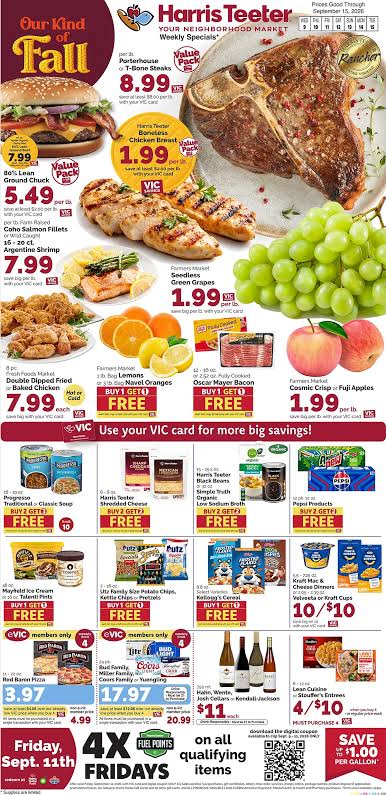
Harris Teeter weekly specials are easier to use when they are organized around the way people actually shop. A circular may mix produce, pantry goods, beverages, household products and seasonal items across many pages. A department-based guide can turn that material into a clearer plan by showing shoppers where to look first, what conditions to check and how to decide whether a sale belongs on the list.
Harris Teeter’s official help center states that the new weekly ad is normally available at midnight Eastern Time on Wednesday. Stores in Indiana, except Southeast Indiana and Evansville, Illinois, and Eastern Missouri follow a Thursday update schedule. The official site also ties the weekly ad to a preferred store, so an independent guide should never imply that one price list is universal.
The content on this page should be refreshed with the current sale period, but the evaluation method can remain stable. The goal is to help readers compare value, not to copy the official ad.
Grocery and Pantry Specials
The practical value of grocery and pantry specials is that it connects the promotion to budget, timing, quantity, and store context. Pantry deals can be good stock-up candidates because many products have longer storage life. First, explain that compare unit price across package sizes. It is also important to note that watch for multi-buy conditions that require more than one item. A second check is whether check whether a store-brand alternative offers a better everyday value. Readers benefit from knowing that avoid stockpiling more than the household can reasonably use. For readers checking a deal on mobile, the page should point readers back to the active store-specific offer whenever availability or price is time-sensitive. The page can then be refreshed with new products without rewriting the underlying explanation from scratch.
Meat and Seafood Specials
On a well-maintained Harris Teeter weekly specials page, meat and seafood specials should be written for someone making a real shopping decision. Protein prices often shape the week’s meal plan. It is also important to note that use price per pound where that is the advertised basis. A second check is whether note family-pack or quantity conditions. Readers benefit from knowing that check freezer space before treating a large package as a stock-up opportunity. The page should make clear that link to dedicated meat or seafood pages for deeper weekly analysis. In practical terms, the date range and selected-store context should be confirmed before an example is described as a current deal. This approach also makes weekly updates easier because only the time-sensitive examples need to change.
Produce Specials
This part of the Harris Teeter weekly specials guide works best when produce specials is explained with enough detail to prevent a misleading shortcut. Produce deals are useful when they align with meals and expected freshness. A second check is whether compare per-pound and per-package offers carefully. Readers benefit from knowing that plan for ripeness and storage. The page should make clear that use seasonal promotions as optional meal-planning inspiration. Another useful detail is that avoid buying excess perishable produce simply because the price is lower. Before the shopper acts on the offer, the shopper should verify the live terms if the decision depends on a precise price, coupon, or quantity threshold. It also gives the page a reason to exist beyond the flyer: the reader leaves with a repeatable method for evaluating value
Dairy, Frozen and Refrigerated Deals
Instead of treating dairy, frozen and refrigerated deals as a label, the page should show how it changes the shopper’s next action. These categories can combine weekly-ad savings with digital coupons. Readers benefit from knowing that check the exact size and variety. The page should make clear that review freezer and refrigerator capacity. Another useful detail is that compare store brands with national-brand coupon offers. For a real shopping trip, remember that verify expiration dates on both the promotion and any digital coupon. From a budgeting standpoint, the site should distinguish its editorial explanation from Harris Teeter’s live, store-specific transaction information. That makes the content more dependable for readers who return every week instead of treating it as a one-time promotion page.
Household and Personal-Care Specials
The section on household and personal-care specials is useful because the same promotion can look different once size, quantity, account eligibility, and timing are considered. Non-food products can be strong stock-up buys when the unit cost is meaningful. The page should make clear that compare package counts. Another useful detail is that watch for BOGO and multi-buy promotions. For a real shopping trip, remember that consider whether a digital coupon is available. When examples are updated, confirm that separate genuine household needs from impulse additions. For a household comparing several options, the live store page should be checked for the selected location, current dates, and exact product terms. That distinction lets the evergreen explanation stay useful even after the featured products rotate out.
How to Rank Weekly Specials
For an independent Harris Teeter weekly specials resource, how to rank weekly specials is an opportunity to add interpretation that the flyer itself may not provide. A useful independent page can score offers by usefulness without pretending every sale is equally strong. Another useful detail is that must buy: already needed this week. For a real shopping trip, remember that good value: meaningfully below the shopper’s normal price. When examples are updated, confirm that stock up: long shelf life and strong unit price. First, explain that optional: attractive but not necessary. For readers checking a deal on mobile, the reader should confirm the current price and eligibility in the Harris Teeter ad tied to the preferred store. Keeping those details visible reduces the chance that a reader mistakes a regional or expired offer for a universal price.
Deal Class | When to Use It |
Must Buy | Needed now regardless of promotion |
Good Value | Strong price on a regular purchase |
Stock Up | Meaningful savings with low waste risk |
Optional | Interesting but not part of the plan |
How to Keep This Page Accurate
A page about harris teeter weekly specials should have an editorial maintenance routine. Confirm the live ad cycle, remove stale promotional claims, test links to first-party resources, and flag any example price with a date. Revisit policy sections only when the underlying official program changes.
- Confirm the selected-store or location context before publishing prices.
- Replace expired weekly dates and remove stale deal labels.
- Check official Harris Teeter help pages when describing rules or account features.
- Do not imply that every store carries every advertised product.
- Keep internal links pointing to the current evergreen deal and coupon pages.
Frequently Asked Questions
They are time-limited sale and promotion offers associated with the current weekly ad and other store savings programs.
No. Some offers may be regular sale prices while others are tied to VIC, e-VIC or coupon conditions.
Compare the final unit price, product size, household need and any conditions attached to the promotion.
A curated summary by department is often more useful than copying the full circular.
Yes. Harris Teeter ties the online ad to a preferred store and live availability can vary.
Final Takeaway
A weekly-specials page should make a large circular easier to use. Organize deals by department, explain the conditions that change final value, and encourage readers to rank offers by need and unit price. Keep the live Harris Teeter ad as the final reference for store-specific prices and inventory.
Additional Harris Teeter Weekly Specials Planning Note 1
Budget context adds depth to this topic. A promotion can be legitimate and still be a poor choice for a particular household if it requires excess quantity, creates waste, or replaces a cheaper alternative. Encourage readers to set a spending limit, rank essentials above optional deals, and use sale pricing to improve an existing plan. That turns the page into a shopping tool rather than a list of reasons to buy. The value for someone researching harris teeter weekly specials is practical: they can identify what needs verification, what can be planned in advance, and what should wait for the live ad.
Additional Harris Teeter Weekly Specials Planning Note 2
Store-level differences deserve their own reminder because Harris Teeter’s online ad is tied to a preferred store. A current example should therefore carry enough context that a reader can tell where and when it applied. If the page discusses a past or preview price, label that status openly. Clear context is more useful than implying that every reader will see the same item, price, or inventory. Applied to harris teeter weekly specials, this keeps the page focused on accurate planning and gives returning readers a reason to use the guide again next week.
Additional Harris Teeter Weekly Specials Planning Note 3
The article can also help readers avoid false urgency. Weekly promotions repeat, categories rotate, and not every highlighted item needs to be purchased immediately. A shopper who knows the normal household need, the typical unit price, and the storage limits can make a calmer decision. That is particularly valuable for BOGO, large-pack, fresh-food, and stock-up promotions, where a discount can easily be offset by waste. For a harris teeter weekly specials visitor, the final takeaway should be operational—what to compare, what to confirm, and when to ignore a promotion that does not fit the household.