Harris Teeter Weekly Ad Archive
Harris Teeter Weekly Ad Archive: Previous Ads and Historical Deal Research
A Harris Teeter weekly ad archive can be useful for readers who want to compare past promotions, check whether an item appears regularly, or research historical pricing patterns. The archive should never look like the current ad. Every archived page needs a clear expired date range and a visible link back to the live weekly-ad page.
Historical deal information is especially easy to misunderstand when it appears in search results without date context. A product that was on sale two months ago may still look current in a screenshot or snippet. For that reason, an archive should prioritize labeling and organization over aggressive calls to action.
This page explains how to build an archive that supports search intent without creating stale-price confusion.
Why Keep Previous Weekly Ads
The section on why keep previous weekly ads is useful because the same promotion can look different once size, quantity, account eligibility, and timing are considered. Historical pages can answer research questions that the current ad cannot. First, explain that readers can compare how often certain categories are promoted. It is also important to note that publishers can track recurring seasonal patterns. A second check is whether old deal pages can support internal links to updated evergreen guides. Readers benefit from knowing that an archive preserves content without presenting it as active. For a household comparing several options, the final decision should use the active offer for the shopper’s location rather than an undated screenshot or archived price. By separating the rule from the weekly example, the page remains easier to maintain and less likely to carry stale information.
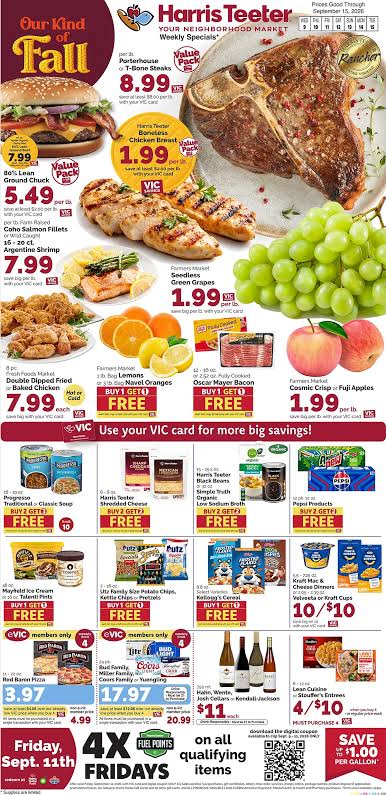
How to Label Archived Ads
For an independent Harris Teeter weekly ad archive resource, how to label archived ads is an opportunity to add interpretation that the flyer itself may not provide. Date labeling is the most important archive feature. It is also important to note that put the expired date range in the H1 or directly beneath it. A second check is whether add a visible “This promotion has ended” notice. Readers benefit from knowing that link to the current-week ad near the top. The page should make clear that remove language such as “today” or “this week” from archived pages. For readers checking a deal on mobile, the product description, size, quantity rule, and member requirement should all be checked against the current store listing. For SEO and usability alike, that is stronger than padding the article with the same weekly-ad language on every URL.
Recommended Archive URL Structure
For shoppers researching Harris Teeter weekly ad archive, the section on recommended archive url structure should answer a concrete planning question rather than repeat a sales headline. Consistent date-based URLs make old content easier to manage. A second check is whether use a stable pattern such as /harris-teeter-weekly-ad-september-16-22-2026/. Readers benefit from knowing that keep the evergreen current-week page at a separate permanent URL. The page should make clear that do not redirect every old ad to the current page if the historical page still has useful unique information. In practical terms, the shopper should verify that the offer is still active and that the selected store is the one intended for the trip. The result is a page that supports a shopping decision instead of merely reproducing promotional material.
What to Preserve on an Archive Page
What to Preserve on an Archive Page is where a Harris Teeter weekly ad archive page can turn raw promotion information into something a household can actually use. An archive should keep enough context to explain the historical promotion. Readers benefit from knowing that sale dates. The page should make clear that store or regional context when known. Another useful detail is that original editorial deal summary. For a real shopping trip, remember that category highlights and BOGO notes. When examples are updated, confirm that a clear statement that prices are expired. Before the shopper acts on the offer, the current Harris Teeter listing should be treated as the final reference when a price or condition could have changed. This structure is especially helpful on mobile, where readers need the conditions summarized before they reach the checkout line.
What to Remove or Change After Expiration
Readers who search for Harris Teeter weekly ad archive often need context around what to remove or change after expiration, not another copy of a circular image. Current-action language should not survive into an archive. The page should make clear that remove “shop now” language that implies the price is still live. Another useful detail is that change “this week” to the exact historical date range. For a real shopping trip, remember that replace current coupon references if the coupon itself has expired. When examples are updated, confirm that add a link to the live current-week page. From a budgeting standpoint, the page should point readers back to the active store-specific offer whenever availability or price is time-sensitive. The page can then be refreshed with new products without rewriting the underlying explanation from scratch.
Using the Archive for Trend Research
A strong explanation of using the archive for trend research gives Harris Teeter weekly ad archive readers a way to judge the offer before they add it to a list. Historical pages can support useful editorial analysis when handled carefully. Another useful detail is that compare recurring categories rather than promising a future sale. For a real shopping trip, remember that use past prices as historical examples, not forecasts. When examples are updated, confirm that identify seasonal patterns such as holiday or grilling promotions only when multiple archived periods support the observation. For a household comparing several options, the date range and selected-store context should be confirmed before an example is described as a current deal. This approach also makes weekly updates easier because only the time-sensitive examples need to change.
Archive Use | Safe Framing |
Price history | “This item was advertised at…” |
Recurring deal | “This category appeared in several past ads…” |
Future planning | “Past patterns can inform planning but do not guarantee a future promotion.” |
How to Keep This Page Accurate
Treat harris teeter weekly ad archive as a living page rather than a one-time article. At each refresh, verify dates, remove offers that ended, recheck official links, and make sure historical examples are not presented as current prices. If Harris Teeter changes a program rule, update the explanation instead of simply changing the date.
- Confirm the selected-store or location context before publishing prices.
- Replace expired weekly dates and remove stale deal labels.
- Check official Harris Teeter help pages when describing rules or account features.
- Do not imply that every store carries every advertised product.
- Keep internal links pointing to the current evergreen deal and coupon pages.
Frequently Asked Questions
They can help with historical deal research, seasonal comparisons and content organization.
Use clear dates and expired notices to reduce the chance that an old price is mistaken for a current one.
Past patterns can provide context but do not confirm a future price or promotion.
Not necessarily. Keep pages that have unique historical value and label them clearly; remove thin or duplicate pages that add no useful information.
The current-week ad, next-week preview, evergreen weekly-ad guide and relevant category pages.
Final Takeaway
A Harris Teeter weekly ad archive can add long-term value when expired content is clearly separated from live shopping information. Keep exact dates visible, remove current-action language, preserve useful historical analysis and never present an old price as if it still applies. The archive should help readers research the past while making the path to the current ad obvious.
Additional Harris Teeter Weekly Ad Archive Planning Note 1
The article can also help readers avoid false urgency. Weekly promotions repeat, categories rotate, and not every highlighted item needs to be purchased immediately. A shopper who knows the normal household need, the typical unit price, and the storage limits can make a calmer decision. That is particularly valuable for BOGO, large-pack, fresh-food, and stock-up promotions, where a discount can easily be offset by waste. For a harris teeter weekly ad archive visitor, the final takeaway should be operational—what to compare, what to confirm, and when to ignore a promotion that does not fit the household.
Additional Harris Teeter Weekly Ad Archive Planning Note 2
For ongoing SEO maintenance, keep the primary intent of this page narrow. Update the examples that belong here, but resist turning every URL into a duplicate summary of the full weekly ad. A focused page should answer its specific question completely, link to related topics, and leave unrelated deal categories to their own pages. That creates a cleaner site architecture and reduces internal keyword overlap. This makes the harris teeter weekly ad archive page more durable because the method remains useful even after the example products and sale dates change.
Additional Harris Teeter Weekly Ad Archive Planning Note 3
A useful savings page should teach a comparison habit that still works after the products change. On this topic, the reader can compare the promoted item with the closest alternative, note the unit or quantity basis, and decide whether the offer solves an existing need. This keeps the article focused on decision quality rather than on encouraging a larger basket. It also gives editors a stable section that can be illustrated with new weekly examples without repeating last week’s wording. For readers focused on harris teeter weekly ad archive, the section should end with a clear next step: verify the live condition, decide whether the offer fits the plan, and move on without unnecessary purchases.