Harris Teeter Produce Specials
Harris Teeter Produce Specials: Fruit and Vegetable Deals This Week
Harris Teeter produce specials can be some of the most useful weekly-ad offers because fruits and vegetables appear in so many meals. They can also be some of the easiest deals to waste if a shopper buys too much, misunderstands a package size or chooses a product that will not stay fresh long enough. A strong produce page should combine current deal information with practical planning guidance.
As with every weekly-ad category, use the live ad for the selected store before publishing exact prices. Produce availability and quality can change quickly, and regional growing seasons can affect which items are featured.
The editorial goal is simple: help readers buy the right amount at a fair price and use it while it is still good.
Per-Pound vs Per-Package Pricing
For shoppers researching Harris Teeter produce specials, the section on per-pound vs per-package pricing should answer a concrete planning question rather than repeat a sales headline. Produce can be advertised in several pricing formats, and they are not directly interchangeable. A second check is whether check whether the offer is per pound, per item, or per package. Readers benefit from knowing that compare package weights when a clamshell or bag is promoted. The page should make clear that do not convert prices mentally unless the units are clear. Another useful detail is that label the pricing basis beside every weekly example. In practical terms, the live store page should be checked for the selected location, current dates, and exact product terms. That distinction lets the evergreen explanation stay useful even after the featured products rotate out.
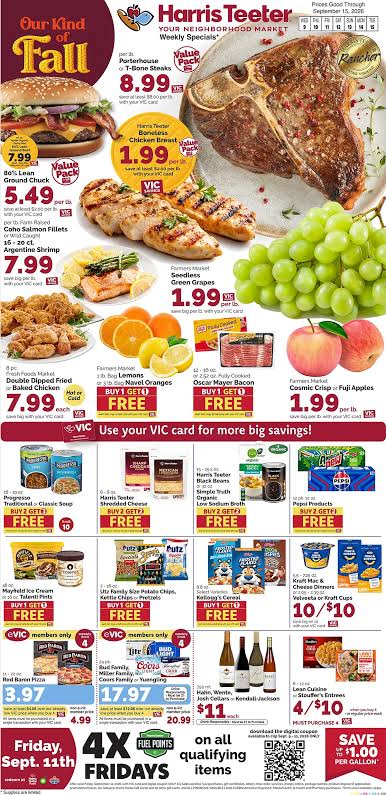
Seasonal Produce and Value
Seasonal Produce and Value is where a Harris Teeter produce specials page can turn raw promotion information into something a household can actually use. Seasonality can affect both price and quality. Readers benefit from knowing that use seasonal specials as meal-planning inspiration. The page should make clear that avoid claiming that a seasonal item is always cheaper in every region. Another useful detail is that compare fresh, frozen and canned alternatives when the goal is nutrition and budget rather than a specific recipe. Before the shopper acts on the offer, the reader should confirm the current price and eligibility in the Harris Teeter ad tied to the preferred store. Keeping those details visible reduces the chance that a reader mistakes a regional or expired offer for a universal price.
Fruit Specials
Readers who search for Harris Teeter produce specials often need context around fruit specials, not another copy of a circular image. Fruit promotions often encourage larger quantities, so storage matters. The page should make clear that estimate how much the household can eat before spoilage. Another useful detail is that use ripe fruit first and longer-lasting fruit later in the week. For a real shopping trip, remember that freeze suitable fruit for smoothies or cooking when a true stock-up opportunity exists. From a budgeting standpoint, the final decision should use the active offer for the shopper’s location rather than an undated screenshot or archived price. By separating the rule from the weekly example, the page remains easier to maintain and less likely to carry stale information.
Vegetable Specials
A strong explanation of vegetable specials gives Harris Teeter produce specials readers a way to judge the offer before they add it to a list. Vegetables can support flexible meals when several items are on sale at the same time. Another useful detail is that choose vegetables that work across multiple recipes. For a real shopping trip, remember that check whether bagged, loose or prepared versions offer the better value. When examples are updated, confirm that plan fragile greens earlier in the week and sturdier vegetables later. For a household comparing several options, the product description, size, quantity rule, and member requirement should all be checked against the current store listing. For SEO and usability alike, that is stronger than padding the article with the same weekly-ad language on every URL
Organic vs Conventional Promotions
The practical value of organic vs conventional promotions is that it connects the promotion to budget, timing, quantity, and store context. The best choice depends on household preference, budget and the actual price difference. For a real shopping trip, remember that compare the advertised price rather than assuming one category is always expensive. When examples are updated, confirm that use the same unit when comparing. First, explain that avoid framing one choice as universally better for every shopper. For readers checking a deal on mobile, the shopper should verify that the offer is still active and that the selected store is the one intended for the trip. The result is a page that supports a shopping decision instead of merely reproducing promotional material.
Reducing Produce Waste
On a well-maintained Harris Teeter produce specials page, reducing produce waste should be written for someone making a real shopping decision. A discounted product that spoils is not a savings success. When examples are updated, confirm that buy quantities tied to a realistic meal plan. First, explain that store produce correctly after the trip. It is also important to note that use highly perishable items first. A second check is whether turn extra vegetables into soups, sauces or freezer-ready meal components when practical. In practical terms, the current Harris Teeter listing should be treated as the final reference when a price or condition could have changed. This structure is especially helpful on mobile, where readers need the conditions summarized before they reach the checkout line.
How to Keep This Page Accurate
Because harris teeter produce specials can change with each sales cycle, review the dated portions on a fixed schedule. Replace expired examples, confirm the selected-store context, and keep a visible last-reviewed date so readers can tell when the page was checked. Evergreen explanations can remain, but any policy-based statement should be revisited when Harris Teeter updates its official help pages.
- Confirm the selected-store or location context before publishing prices.
- Replace expired weekly dates and remove stale deal labels.
- Check official Harris Teeter help pages when describing rules or account features.
- Do not imply that every store carries every advertised product.
- Keep internal links pointing to the current evergreen deal and coupon pages.
Frequently Asked Questions
Use the current weekly ad for the selected store, then organize featured produce by price basis and meal use.
No. Compare the actual weight, convenience and final unit price.
Buy to a meal plan, choose quantities you can use, and prioritize the most perishable items early in the week.
Yes. Store selection, inventory and regional factors can affect what is available.
No. A strong label should be based on price, quality, household need and realistic use.
Final Takeaway
Produce specials can stretch a grocery budget when they are matched to meals and realistic quantities. Compare the correct unit, use seasonal promotions thoughtfully, and plan storage before buying extra. A useful Harris Teeter produce page should make fresh-food decisions easier without encouraging waste
Additional Harris Teeter Produce Specials Planning Note 1
The article can also help readers avoid false urgency. Weekly promotions repeat, categories rotate, and not every highlighted item needs to be purchased immediately. A shopper who knows the normal household need, the typical unit price, and the storage limits can make a calmer decision. That is particularly valuable for BOGO, large-pack, fresh-food, and stock-up promotions, where a discount can easily be offset by waste. For a harris teeter produce specials visitor, the final takeaway should be operational—what to compare, what to confirm, and when to ignore a promotion that does not fit the household.
Additional Harris Teeter Produce Specials Planning Note 2
For ongoing SEO maintenance, keep the primary intent of this page narrow. Update the examples that belong here, but resist turning every URL into a duplicate summary of the full weekly ad. A focused page should answer its specific question completely, link to related topics, and leave unrelated deal categories to their own pages. That creates a cleaner site architecture and reduces internal keyword overlap. This makes the harris teeter produce specials page more durable because the method remains useful even after the example products and sale dates change.
Additional Harris Teeter Produce Specials Planning Note 3
A useful savings page should teach a comparison habit that still works after the products change. On this topic, the reader can compare the promoted item with the closest alternative, note the unit or quantity basis, and decide whether the offer solves an existing need. This keeps the article focused on decision quality rather than on encouraging a larger basket. It also gives editors a stable section that can be illustrated with new weekly examples without repeating last week’s wording. For readers focused on harris teeter produce specials, the section should end with a clear next step: verify the live condition, decide whether the offer fits the plan, and move on without unnecessary purchases.
Additional Harris Teeter Produce Specials Planning Note 4
Another way to strengthen this page is to show the reader how to verify a deal independently. That means checking the active date range, preferred store, product size, member requirement, coupon condition, and final receipt when appropriate. The sequence is simple, but it prevents many of the misunderstandings that occur when a headline price is separated from its conditions. For an independent website, transparent verification is also an important trust signal. For harris teeter produce specials, that means the reader should finish with a usable decision rule rather than a vague impression that every highlighted offer is worth buying.